Find the village your family came from in Japan.
Many Yonsei and Gosei don't know which village their family came from. We read the old handwritten koseki, the village histories and the temple records — in Japan, by someone who reads Japanese as a first language. Then we tell the story of your name and its village in English, as far as the records show. Not years of paperwork. Weeks to a few months, depending on the service.
- your family name, and
- the town or village your ancestors came from.
Every document is read in Japan by our founder, Mitsuru Otaka, who reads Japanese as his first language. Read every sample in full before you buy.
Which service is right for you?
Pick the sentence that describes you. You can start at any step.
- I know my immigrant ancestor's name, but not the village in Japan he or she came fromVillage Finder $99, and you pay only if we find it — The record that names the home village, read in English, and where to request the koseki.
- I know my family name and roughly where in Japan it came from: a town, a village or just the prefectureStep 1 · Roots Snapshot $29 — A short first look: where the surname is found, and the village in brief.
- I know the town or village my ancestor came from, and want its history, temples and recordsStep 2 · Roots Report $390 — The village's history, likely family temples, old records of the name, and a guide to requesting the koseki.
- I have a Roots Report and want the documented story of my family name in its village, as a bookStep 3 · Family Chronicle $2,900 — The story of your family name in its village, as a book. With your koseki family tree as well: Chronicle + Family Tree, $4,500.
- I have copies of my family's koseki, or can request themKoseki Family Tree $1,000 for up to 6 registers — Every register decoded and translated, with a family tree chart.
- I have the writing on the back of a photo, a gravestone, a memorial tablet (ihai) or an old letter to readDocument Reading $79 for up to 80 Japanese characters. Tell us about the item first, and we talk it over with you before you pay.
- I am planning a trip to Japan and know my ancestor's honseki (registered domicile: the place where the family register is kept)Hometown Visit Guide $390 — Map, village history, temples, directions and a card in Japanese. If you do not know the honseki, start with a Roots Report.
Services & pricing
See exactly what you get before you pay: every service has a full public sample, and every card links to a page about that service. Start small; each step shows what the next one may reveal.
- Prices are in US dollars and include all our fees for the PDF.
- Every service is delivered as a PDF by email.
- Delivery times are estimates, not guarantees. Every record gets the care it needs, so if we expect a delay, we will let you know by email.
- Hardbound copies: $1,000 for 5 copies, with shipping extra (it varies by country). Email us to order, and we confirm the shipping cost before you pay.
- Chronicle + Family Tree shares the Family Chronicle and Koseki Family Tree samples.
Know your ancestor's name but not the village? Start with a name
Start with a name
Village Finder
Find the home village in Japan. For families who know the name of the ancestor who left for Hawaii, the US mainland or Canada, but not the village.
- The record that names your ancestor's home in Japan, read and explained in English
- Where that village is today, and which city or town hall keeps the old koseki
- How to request the koseki from abroad, step by step (you or your family send the request; we do not)
- We reply within a week; if we find the village, the PDF follows about a week after you pay
- See a sample
We are not taking new requests for Village Finder at the moment.
No koseki? Start here Step 1 → Step 2 → Step 3 · you can start at any step
Step 1
Roots Snapshot
A quick first look. For anyone starting from a family name and a town, village or prefecture.
- Where your surname is found in Japan, down to the town
- Your ancestral village, then and now: who held it in medieval times and in the Edo period (1603–1868), the village it belonged to from 1889, and today's address
- Local temples and festivals
- A short paragraph on the families of your name in and around the village
- PDF of usually 5–8 pages, with a cover and a map, in about 3 weeks, counted from the day you pay
- The story of your surname, its village and the families of your name there. Links to the older families are drawn as a dotted line (why).
- See a sample
Step 2
Roots Report
The full village report. For families who know their ancestor's town or village and want its history, temples and records.
- Usually 25–40 pages, with maps and a timeline
- Three likely family temples, with their Buddhist sect and distance from the village
- Old books and documents that name your surname, and where to see them
- Edo-period and earlier records of the family name
- Your personal guide to requesting your koseki: which city office, how to pay from your country
- Full list of every source checked
- A4 PDF in about 1 month, counted from the day you pay; prints on US Letter with "fit to page"
- The story of your surname, its village and the families of your name there. Links to the older families are drawn as a dotted line (why).
- See a complete sample
Step 3
Family Chronicle
The story of your family name in its village, as a book. For families who want the whole documented story of their name in the village, as one book, after a Roots Report.
- The story of your family name in its village as one continuous book, built from local histories, old documents and village records
- Original sources and images shown chapter by chapter
- Chart of the families found in the records, maps, timeline and illustrated scenes (AI-generated, and labeled as such)
- Requires a Roots Report ($390) first. If it shows too few records for a book, we tell you so, and you need not buy anything more.
- About 2 months from the day you pay for the Chronicle (you order it after your Roots Report is delivered)
- The book follows the families of your name in your ancestral village: the wider family your own line belongs to. Each chapter says how closely they connect to your direct ancestors.
- Most people in a Chronicle are village headmen (hereditary local officials) and local warriors. In medieval times farmers also took up arms, so farming families of your name often appear among them too.
- Read a complete sample
Step 3 + your koseki
Chronicle + Family Tree
The book and your family tree, together. For families who want the Family Chronicle book and the Koseki Family Tree (built from your koseki, the Japanese family registers) together, after a Roots Report. Each person on the tree gets a short life story.
- Everything in the Koseki Family Tree and the Family Chronicle, with your family tree woven into the Chronicle
- Your own line from your registers (the oldest from 1886, often naming ancestors born in the early 1800s), and the older families of your name from surviving records
- A short life story of every person on your family tree, researched in local records
- The Chronicle part follows the families of your name in the village. Your koseki gives your own line, drawn in solid lines, back to the 1886 registers. The link to the older families of the name is drawn as a dotted line (why).
- Up to 6 registers; each additional register +$80
- Requires a Roots Report ($390) first, and your koseki. You pay only after we confirm your koseki images are readable.
- About 3 months from the day you pay for the Chronicle + Family Tree (you order it after your Roots Report is delivered), because each person is researched in turn
- About this service and its samples
Have a koseki? We decode the registers you have, or those you can request
With your koseki
Koseki Family Tree
Your registers, decoded. For families who have copies of their koseki, or can request them.
- Every register transcribed and translated, entry by entry
- Western dates (Japanese era years converted) and today's place names
- Family tree chart and a person-by-person index
- A separate one-page family tree to print and share with relatives (PDF, up to A3 size), with your name at the bottom
- "Generations": a short narrative of each generation
- Uncertain readings marked, with our level of confidence
- Each additional register +$80
- PDF in about 2 months after we receive all images
- See a complete sample
Don't have your koseki yet?
You can request it yourself. Every Roots Report includes a request guide written for your family, and our free guide shows how to request it from abroad.
Single requests one item or one trip, on its own
Single request
Document Reading
A photo, gravestone or letter. For the writing on the back of a photo, a gravestone, a memorial tablet (ihai, a Buddhist ancestor tablet) or one old letter that you would like us to read.
- One item of up to 80 Japanese characters: the writing on the back of a photo, a gravestone, a memorial tablet (ihai) or a short note.
- Typed transcription in Japanese and an English translation
- Short notes on the people, places and dates it names
- Unclear characters marked with a question mark, never guessed silently
- Tell us about the item first. We will send you a private upload code for the photo and talk it over with you before you pay. Up to 80 Japanese characters is $79. Each further 80 characters, or part of them, adds $79; a 200-character letter, for example, is $237. We count the characters from your photo and tell you the total by email before you pay. The price will not go above that total.
- PDF in about 1 week after we receive your images
- See a sample
Single request
Hometown Visit Guide
For your trip to the village. For a trip to Japan, when you know your ancestor's honseki (registered domicile: the place where the family register is kept).
- If you do not know the honseki, start with a Roots Report.
- A map of where the old village lies today
- A short history of the village
- Temples that may be your family temple (the temple that holds your ancestors' graves and records), chosen by your family's Buddhist school (sect), and how to contact them
- How to get there from the nearest station, and what to keep in mind on the day
- A card in Japanese to show people you meet ("I am looking for my ancestors' home")
- PDF in about 2 weeks, counted from the day you pay. Please order at least 1 month before you travel.
- The guide does not include contacting temples or relatives for you; it tells you how. We do not prepare papers for government offices.
- See a sample
Optional, as a separate service: we visit your ancestral village and family temple on your behalf and report back with photographs. Each visit is quoted separately. Email us for a quote. The Hometown Visit Guide does not include visits or contacting anyone for you.
Compare the services at a glance
No koseki? Start here Step 1 → Step 2 → Step 3
| Step 1 · Roots Snapshot | Step 2 · Roots Report | Step 3 · Family Chronicle | Step 3 + your koseki · Chronicle + Family Tree | |
|---|---|---|---|---|
| What you need to start | Your ancestor's surname and town or village (if you know only the prefecture, we can still begin) | Your ancestor's surname and town or village (if you know only the prefecture, we can still begin) | A completed Roots Report, and any family stories you have | A completed Roots Report and your koseki, and any family stories you have |
| What you get | Where the surname is found; the village's history, temples and festivals; a short paragraph on the families of your name in and around the village | Usually 25–40 pages: maps, timeline, likely family temples, earlier records of the name, your koseki request guide, every source | A book-length history of the families who carried your surname in and around your ancestral village, with original sources quoted | The Family Chronicle and the Koseki Family Tree together, with a short life story of each person on your family tree |
| Format | PDF, usually 5–8 pages | PDF (A4; prints on US Letter with "fit to page") | PDF (A4) | PDF (A4) |
| Delivery | About 3 weeks from payment | About 1 month from payment | About 2 months, counted from the day you pay for it (after your Roots Report is delivered) | About 3 months, counted from the day you pay for it (after your Roots Report is delivered) |
| Price | $29 | $390 | $2,900 ($3,290 with the Report) | $4,500 for up to 6 registers, +$80 per additional register ($4,890 with the Report) |
If the Report shows too few records for a book, we tell you so, and you need not buy anything more.
Have a koseki? No other service needed first
| With your koseki · Koseki Family Tree | |
|---|---|
| What you need to start | Images of your koseki registers (our free guide shows how to request them) |
| What you get | Every register transcribed and translated, Western dates, today's place names, family tree chart and person index |
| Format | |
| Delivery | About 2 months after we receive all images |
| Price | $1,000 for up to 6 registers (a register is one certified document, however many pages it has); +$80 per additional register |
Single requests one item or one trip, on its own
| Single request · Document Reading | Single request · Hometown Visit Guide | |
|---|---|---|
| What you need to start | A clear photo or scan of the item | Your ancestor's registered domicile (honseki) and your travel dates (if you do not know the honseki, start with a Roots Report) |
| What you get | Transcription, English translation, and notes on the people, places and dates | Map, village history, possible family temples and how to contact them, directions from the station, tips for the day, and a card in Japanese |
| Format | ||
| Delivery | About 1 week after we receive your images | About 2 weeks from payment; order at least 1 month before you travel |
| Price | $79 for up to 80 Japanese characters. Tell us about the item first; we send an upload code for the photo and talk it over with you before you pay. | $390 |
How it works
The same for every service. You keep full control of your family's documents.
Tell us about your family
Your ancestor's surname and town or village are enough to begin. If you know only the prefecture, we can still begin; for common surnames, this may not narrow down to one town.
The town or village is often written in:
- records of your prefectural association (kenjinkai)
- ship manifests and old passports
- family gravestones
No koseki needed. Already have a koseki? Tell us, and we will send you a private upload code.
We read the records in Japan
Village histories, temple records, and your koseki if you have one. Every entry is transcribed into typed Japanese, translated into English, and converted to Western dates and modern place names. Unclear characters are flagged, never guessed silently.
You receive an English PDF
A clear English report by email — ready to share with relatives or add to FamilySearch and Ancestry.
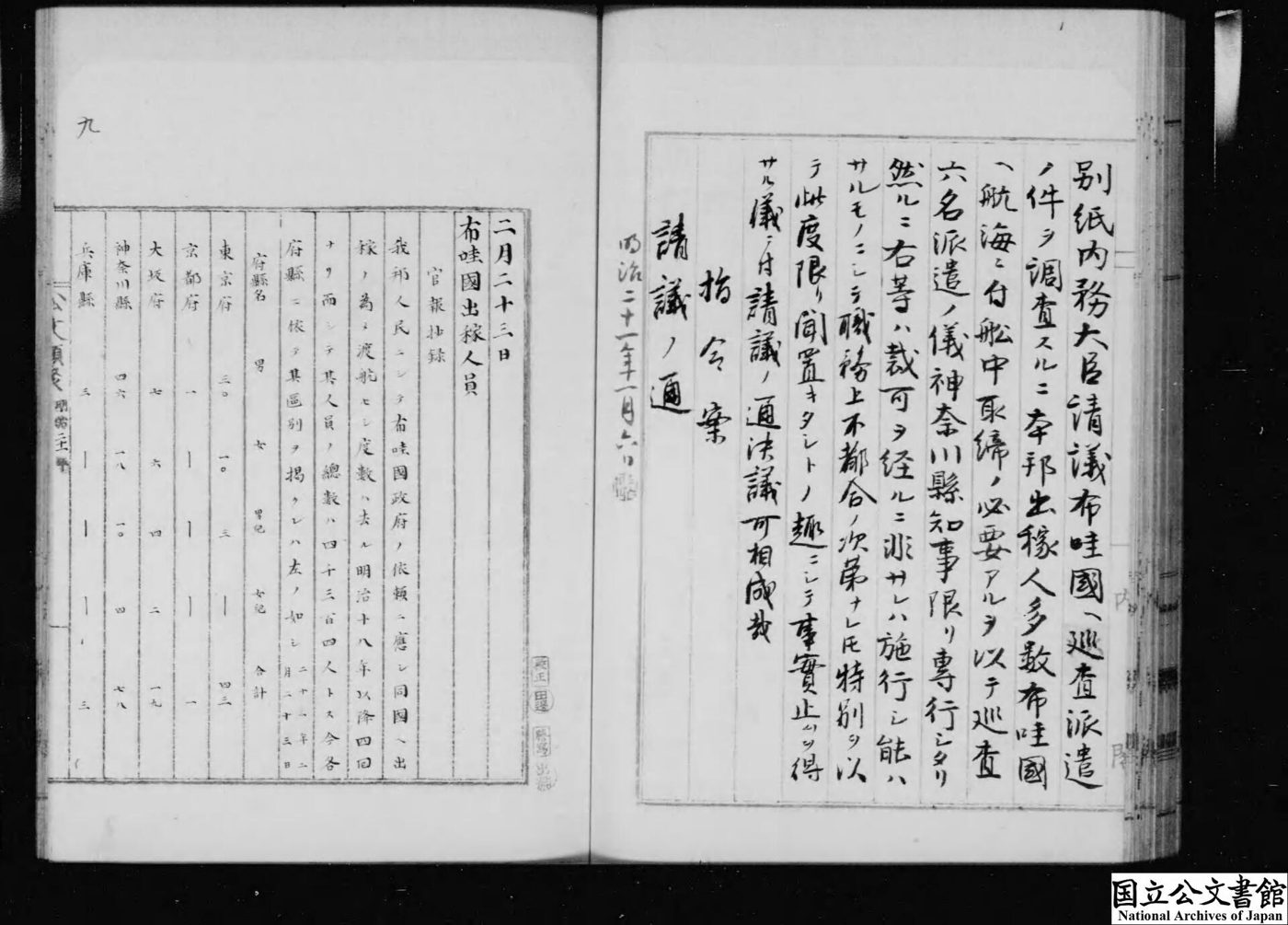
Why a koseki is so hard to read
The koseki is the most important record for Japanese family history. It is also one of the hardest documents to use, even for native Japanese speakers.
- Old handwriting. Registers from the Meiji (1868–1912), Taishō (1912–26) and early Shōwa (1926–89) eras are handwritten in brush or pen, often in cursive styles and old character forms.
- Old calendars and old place names. Dates use imperial era years, and most villages were merged or renamed decades ago.
- A dense, legal format. Adoptions, branch households, marriages and deaths are packed into short formal phrases.
- Getting one from abroad. Requests are by mail in Japanese, and most city offices only accept fees paid with Japanese postal money orders.
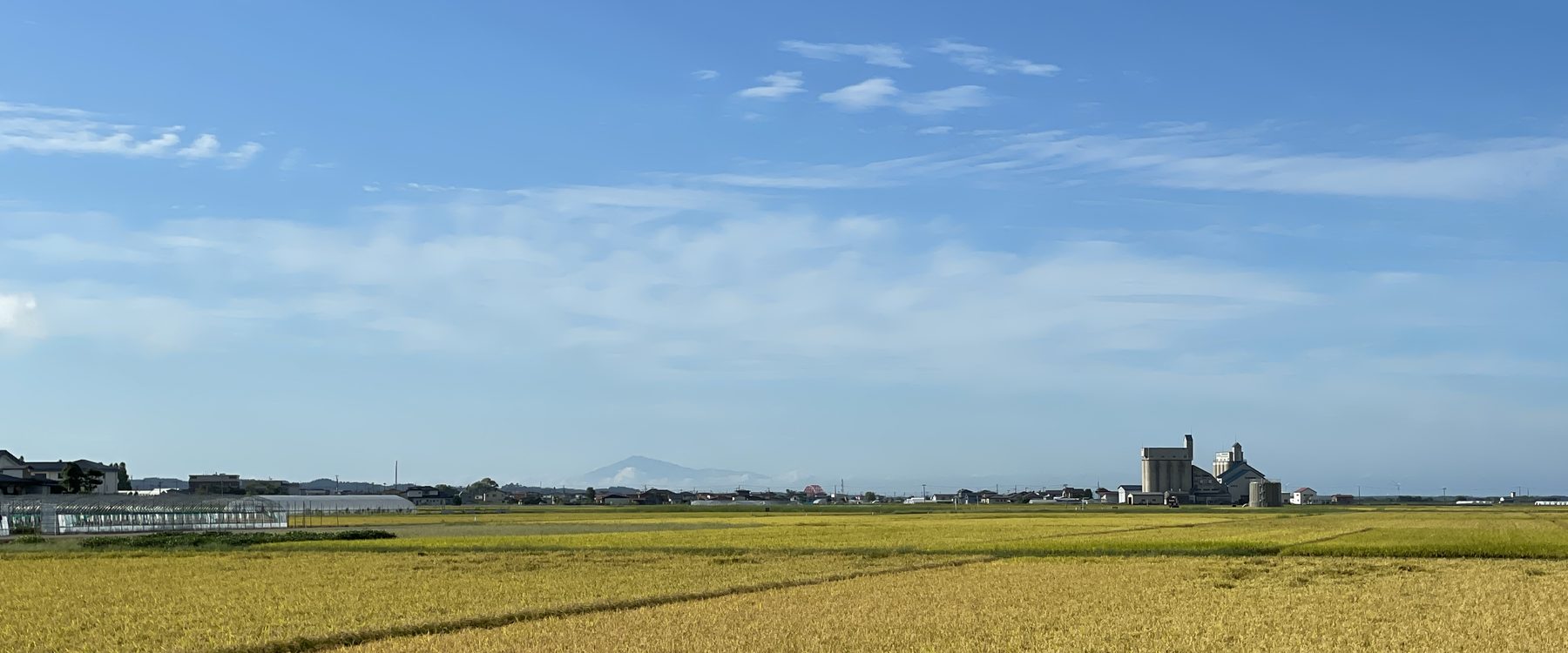
What you get
Samples your whole family can read. Every service has a full public sample (Chronicle + Family Tree shares the Family Chronicle and Koseki Family Tree samples). Each sample page also offers the PDF, exactly as it is delivered. The samples follow a fictional Ando family; the places, records and research are real. Japanese terms are explained in our glossary.
-
Step 1
Roots Snapshot
A short starting point: where the Ando name is found, the village's history, temples and festivals, and the Ando families around it.
-
Step 2
Roots Report
The complete report: the Ando name across Japan, likely family temples, Edo-period and earlier records, and every source checked.
-
With your koseki
Koseki Family Tree
Four registers decoded and translated entry by entry, with a six-generation family tree and a short narrative of each generation.
-
Step 3
Family Chronicle
The complete text of a book: the documented story of the Ando families around their village, with the sources shown chapter by chapter.
-
Single request
Document Reading
Two lines written on the back of an old photograph, transcribed, translated and explained.
-
Single request
Hometown Visit Guide
A visit to Nagaiwaya (Oita Prefecture): where the village is today, temples that may be the family temple, how to get there, and a card to show in Japanese.
Accurate, and honest about uncertainty
Every name, date and relationship is checked against the original image. Where handwriting is genuinely ambiguous, we show the candidates and our confidence instead of hiding the problem.
Names in kanji (Japanese characters) and romaji (Roman letters)
Japanese names can be read several ways. We give the kanji, the most likely reading, and alternatives, so you can search other records correctly.
Your documents stay private
Images are stored encrypted, used only for your order, and deleted 90 days after delivery unless you ask us to keep them. We do not publish your family's data, and we share it only with the service providers listed in our privacy policy.
Built for genealogy
Our reports are for family history. If you need a certified translation for a visa or court, tell us first, and we will point you to the right professional.
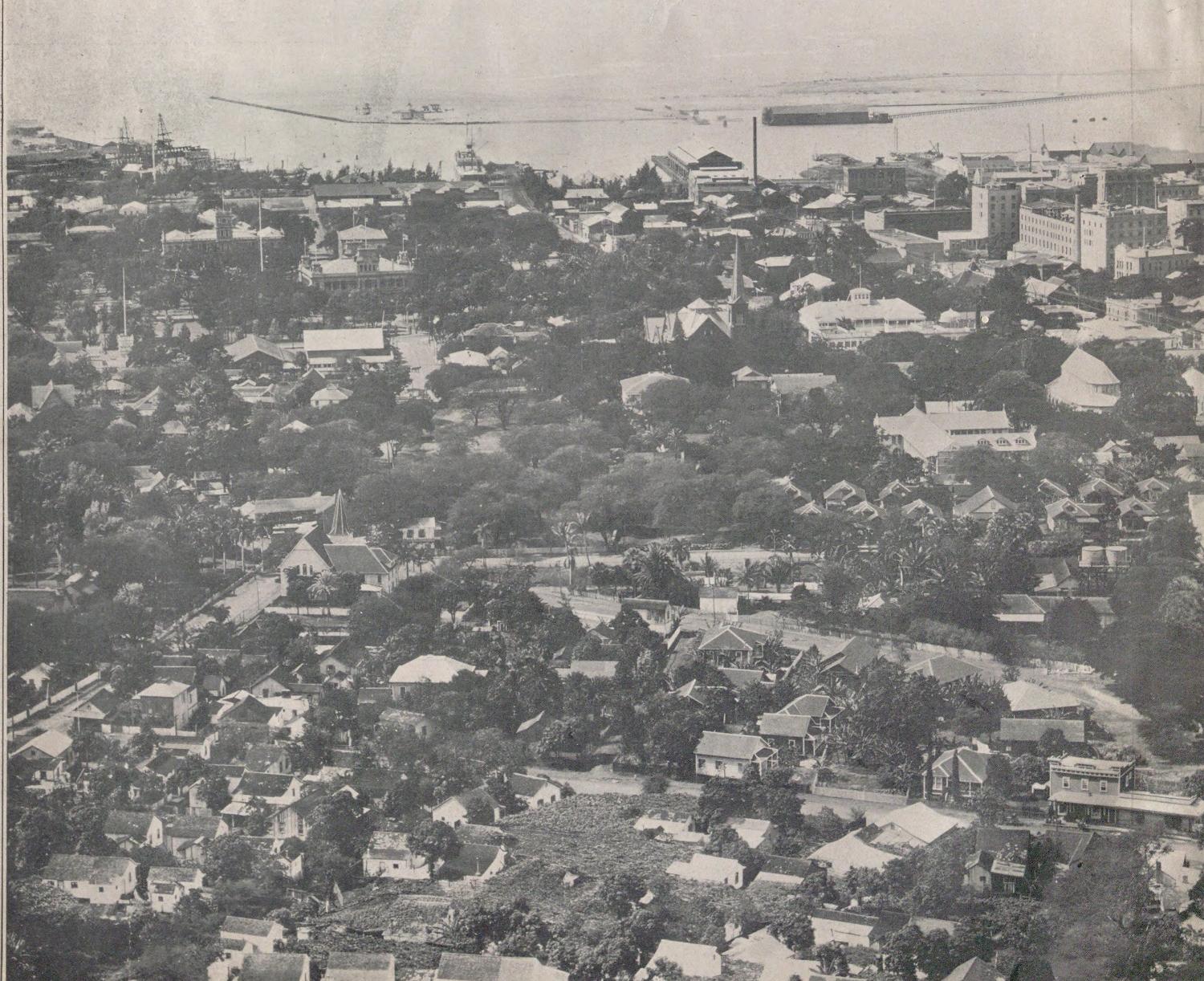
Giving it as a gift
Any of our services can be a gift for a parent, grandparent or relative. When you order, tell us:
- the name of the person it is for
- how you would like to sign it
- a short message, if you wish
We put them on the cover of the PDF: "For Grandma Amy, from Ken and Lisa." We email the PDF to you, so you can print it or pass it on yourself.
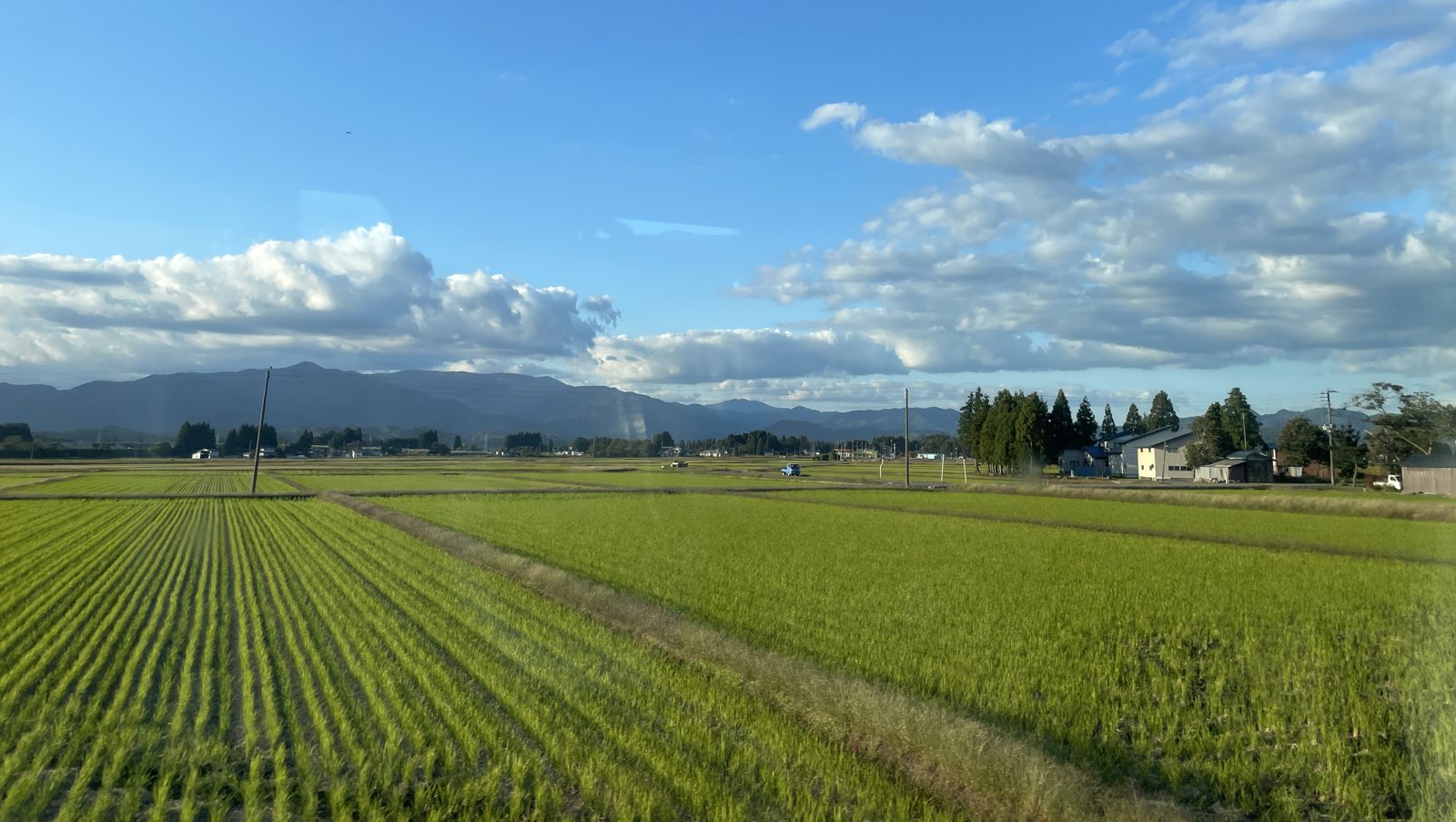
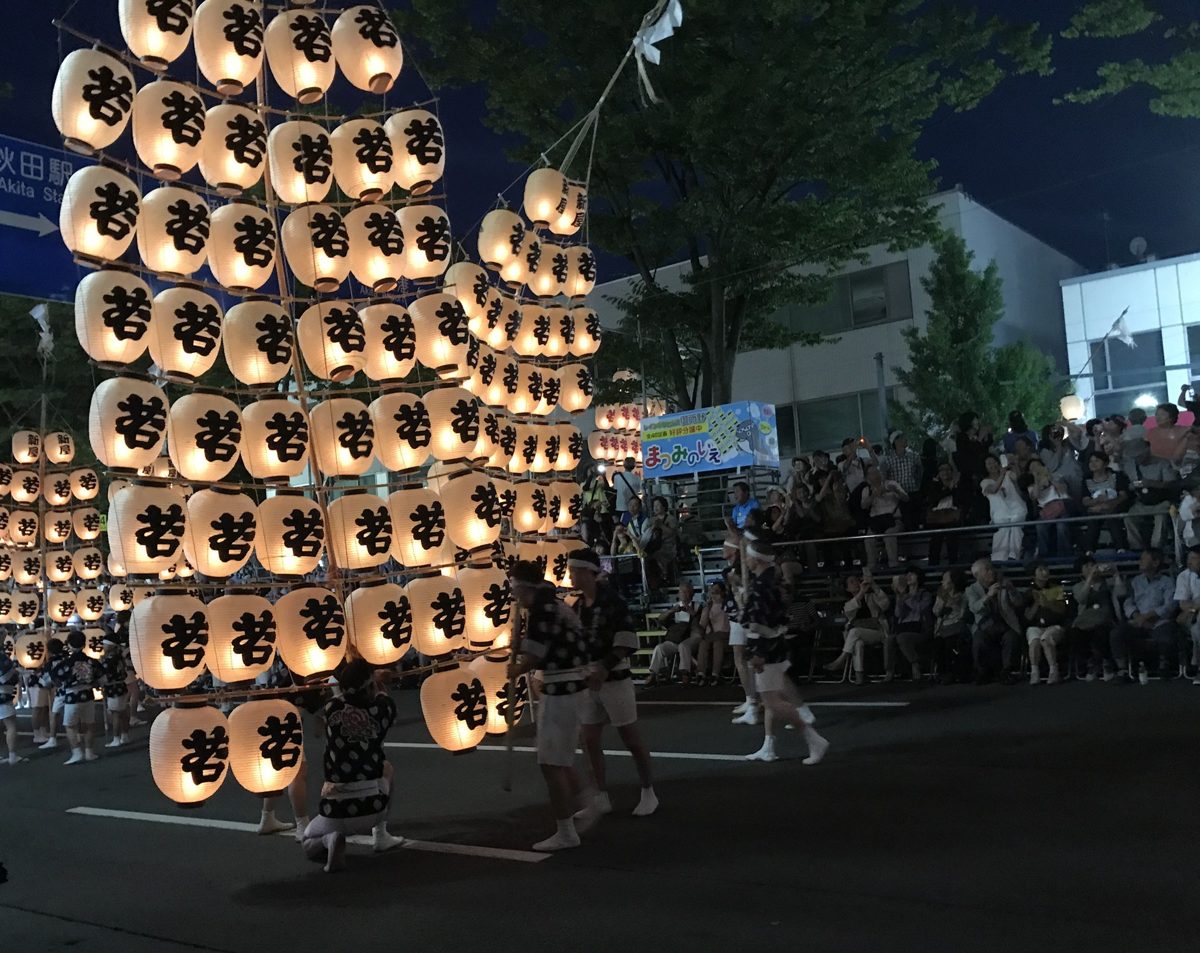
Photos: Mitsuru Otaka, our founder.
Questions
What is a koseki?
The koseki is Japan's family register. Each household has one, kept by the city office of its registered domicile (honseki). It records births, marriages, adoptions, deaths and moves for everyone in the household.
Japan's first registers (1872) have been withheld from everyone, descendants included, by the Ministry of Justice since 1968, because they recorded former social status. The oldest registers you can request are therefore the 1886 format. These still name people born well before 1886, often a household head born in the early 1800s. Under an older rule, a register was kept for only 80 years after everyone in it had died or moved away (the rule is now 150 years), and then discarded. So in some families the oldest register that survives is a later one, such as the 1898 format.
For the time before these registers, the only sources are temple death registers (if they survive) and village documents. They speak of the families of the name rather than of your own line. The Roots Report and Chronicle gather those.
Can I get my ancestor's koseki if I am not a Japanese citizen?
Generally yes. Direct descendants (children, grandchildren, great-grandchildren…) can request the registers of their direct ancestors. You will need documents that prove each link in the chain from you to the person in the register. Our free guide explains how.
I don't know my family's honseki (registered domicile). Can you help?
The honseki is required to request a koseki. Common sources are immigration records and passports; alien registration; WWII incarceration records (War Relocation Authority files in the US; wartime internment records in Canada); and family letters and grave markers.
Wartime records often state the birthplace. Many families lost or destroyed Japanese papers during the war, so these records may be the only place it survives. A Roots Report includes guidance for finding it.
I know only the prefecture, or my surname is very common. What will I receive?
The Roots Snapshot shows where in that prefecture your surname is most common today. You get a map and a table of the towns with the most households of the name.
If the name points to one area, the Snapshot describes that area. If several areas remain, as they often do for a common name such as Tanaka or Nakamura, the Snapshot describes each of the top two or three areas in a short section of its own. It also tells you which family papers most often name the village: a passport, an immigration record, a wartime record or a grave marker. Our free guide, How to find your honseki, shows where to look.
Before you pay for a Roots Report, we tell you by email what it can cover with what you know.
The families of my name in the village: are they really my family?
Very often, yes. In Japan, a surname shared within one village means more than it usually does in North America. Many Japanese surnames come from place names, and in many rural areas a main household and its branch households shared one surname and lived in the same village for generations. People of that name there were often related.
Blood spreads further than a surname. A surname follows one line, from father to son; blood follows every line. We built a computer model of one district's villages, matched to recorded household numbers, and ran it 30 times. In a typical run, one couple of 1580 was an ancestor of about 7 in 10 of the district's households today. Counted from the 1280s, it was an ancestor of nearly all of them. The pattern held when we changed the model's assumptions, and it agrees with studies showing that the people of one region come to share most of their ancestors within a few centuries (Chang 1999; Rohde, Olson and Chang, Nature, 2004).
The model also shows why a single line is hard to follow: houses without sons adopted sons-in-law, who took the house's name. Our sample Roots Report explains this and lists the studies. The figures come from a model rather than from records, and where marriages stayed closer to home, the share was lower.
My family is from Okinawa. I heard the koseki were lost in the war. Can you still help?
Yes. Most family registers on Okinawa Island were lost in 1945. The koseki rebuilt after the war usually begins with the household of about 1945, so it does not reach back into the 1800s as registers elsewhere in Japan do. Registers in the Miyako and Yaeyama islands were not lost in the same way.
Other records can take the line further back. Japan's passport registers list Okinawan emigrants from 1899 to 1941, with their home village and their relationship to the head of the household. The family's ancestral tablets (tōtōmē) and tomb inscriptions name earlier generations, and many Okinawan town histories list their emigrants. We read all of these in Japanese. If you tell us your emigrant ancestor's name, the Roots Report and the Koseki Family Tree include a search of the passport registers at no extra charge.
Okinawan surnames often have two readings: 金城 can be Kinjo or Kaneshiro. We write the name as your family spells it and note the other reading. If your rebuilt registers cover only a few generations, we tell you before you pay.
My family is from Hiroshima. Weren't the koseki lost in the atomic bombing?
Many still exist. What survives differs from place to place, and families are sometimes told the registers were lost when some still exist. Hiroshima City Hall, about 1 km (0.6 mi) from the hypocenter, burned inside.
When a register was destroyed, Japan rebuilt it from the duplicate kept elsewhere, if that survived. If not, it was rebuilt from family declarations, and older registers whose members had all died or moved away were often not rebuilt. If your registers are gone, the office issues a notice saying so. We ask the office what survives for your family's domicile and tell you before you pay.
Can I pay from outside the US?
Yes. Our prices are in US dollars, and we send a secure payment link by email. You can pay with a credit or debit card from any country. Your card company converts the amount into your currency and may add a foreign transaction fee.
Do you request the koseki from Japan for me?
You can request it yourself, and we show you how; our free guide walks you through it. Under Japanese law, preparing official requests for others for a fee is reserved to licensed professionals. If you hire someone in Japan to request it for you, that person must be a licensed professional, and you contract and pay them directly.
Is the translation certified?
No. Our reports are for genealogy and family history. They are not certified translations for immigration, nationality or court use.
How do you read old handwriting?
Your documents are read in Japan by someone who reads Japanese as a first language. AI software makes a first reading, and then a person checks every entry by hand:
- against the original image, character by character, using the character forms of the time;
- against the other entries in the register: dates, ages and relationships must agree;
- for names that can be read more than one way, we give the kanji, the most likely reading and the other readings.
Only readings a person has confirmed appear in your report. Anything we cannot confirm is marked, with how sure we are.
Why do I need a Roots Report before a Family Chronicle?
A Chronicle is only as good as the records behind it. The Roots Report ($390) establishes which records survive for your ancestral village: local histories, temple records and old documents.
- If there is enough for a book, the Family Chronicle ($2,900, or $3,290 with the Report) or the Chronicle + Family Tree ($4,500, or $4,890 with the Report) builds on it. The Chronicle + Family Tree also needs your koseki registers.
- If there is not, we tell you so, and you need not buy anything more.
You pay for each step only when you decide to take it.
How do I send my koseki or other images?
- Send the order form below. Please don't attach images to it or to an email.
- We email you a private upload code within a week.
- Upload your images on our upload page with that code. Photos, scans and PDF files are all fine (JPEG, PNG, HEIC, WebP or PDF, up to 15 MB each).
- We check that the images are readable and email you the price and a payment link.
- You pay, and we begin.
What if my images are unreadable?
We look at your images before you order. If they are too faint or incomplete to decode, we tell you so and do not take the order.
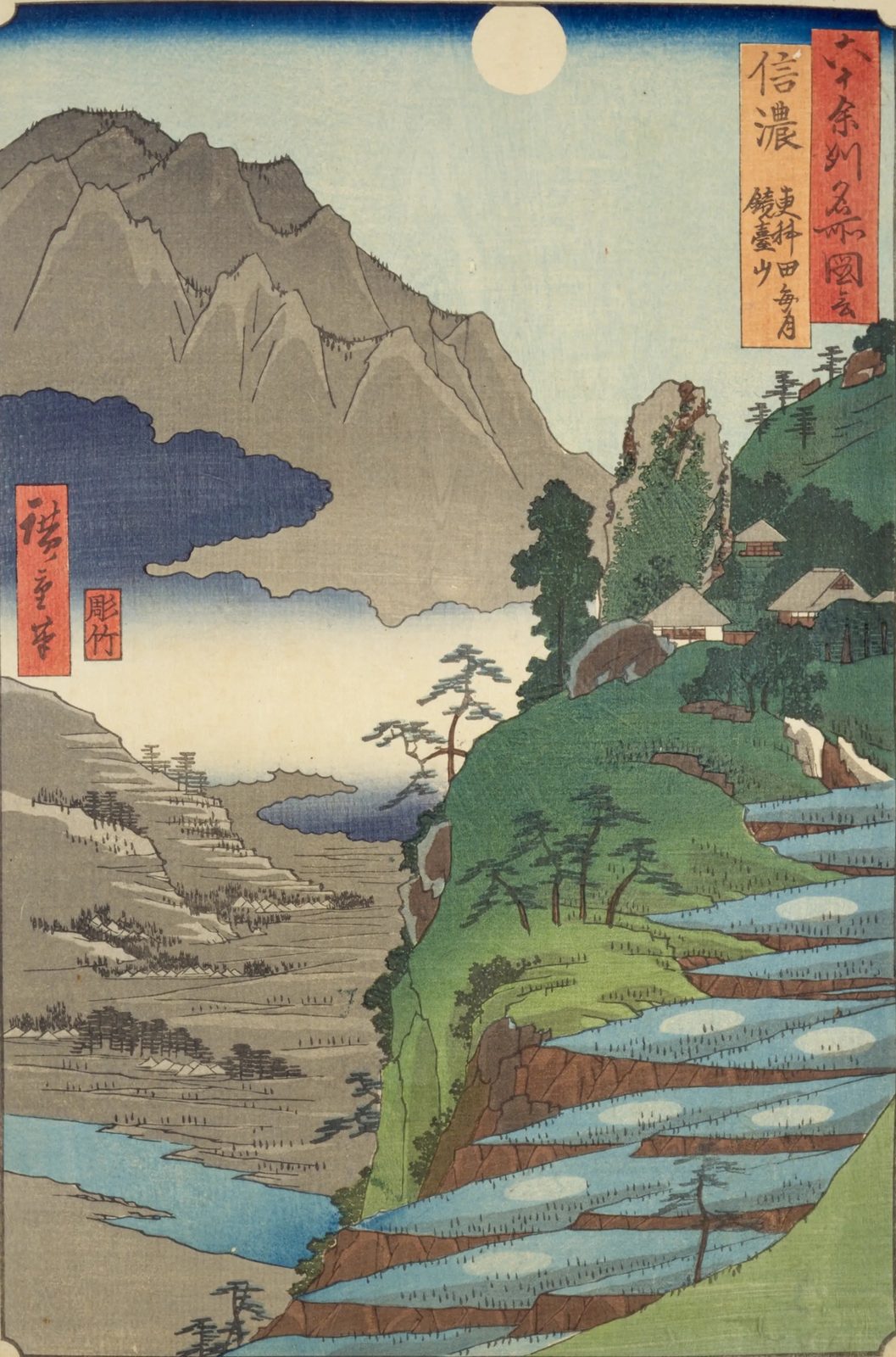
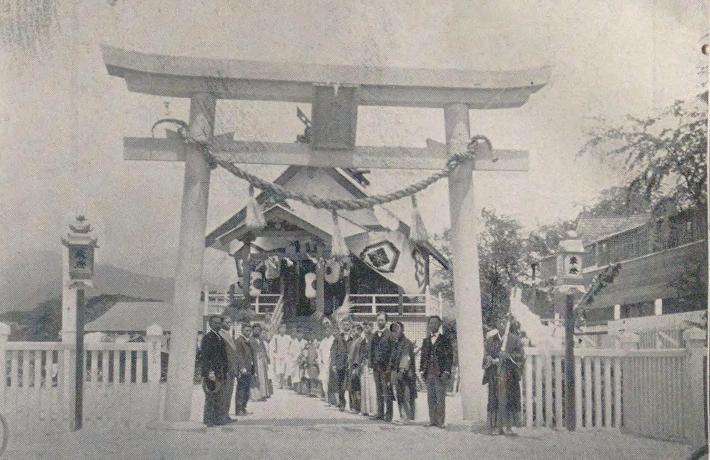
Shrines and the old records of temples are among the places we look to find a family's village.
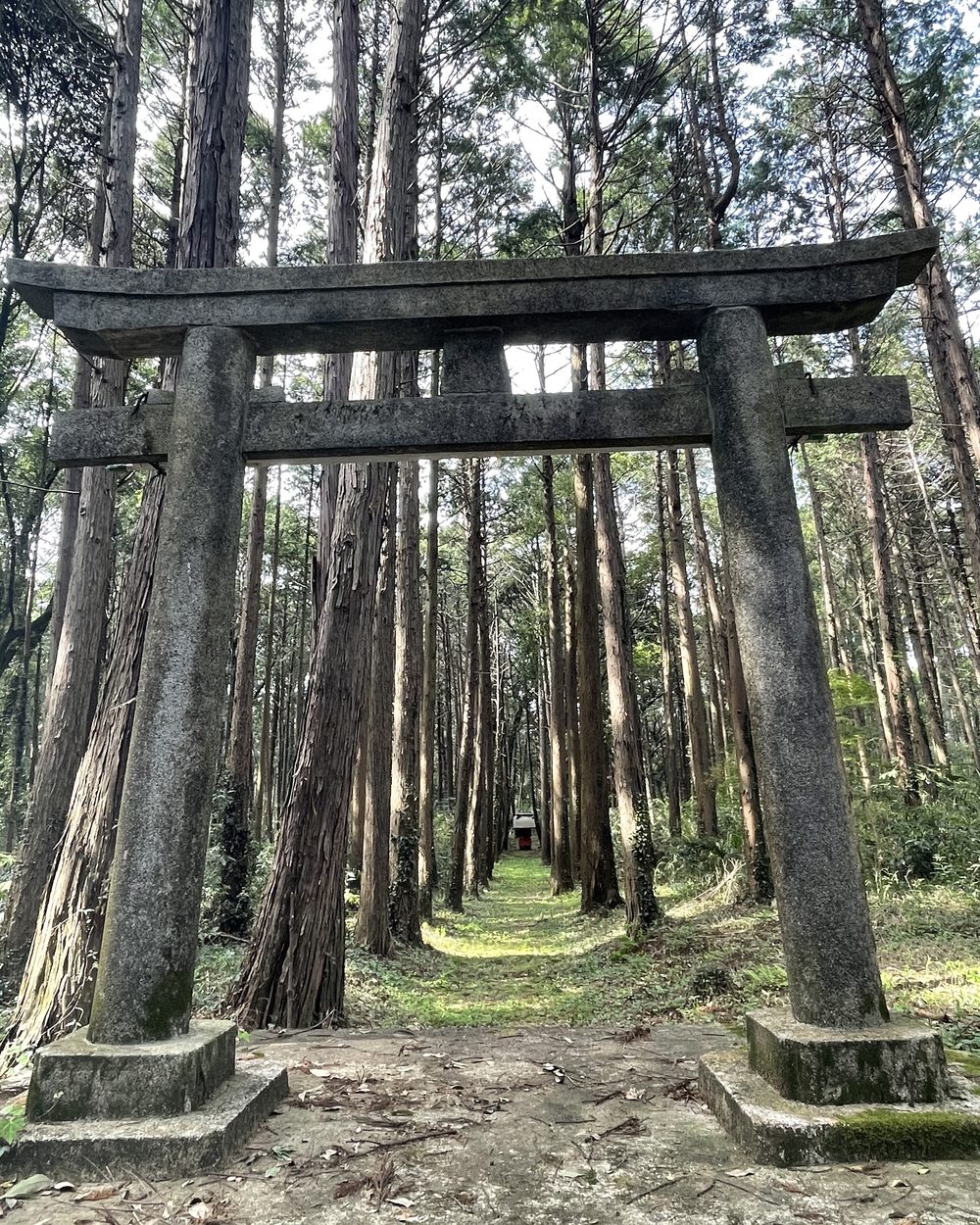
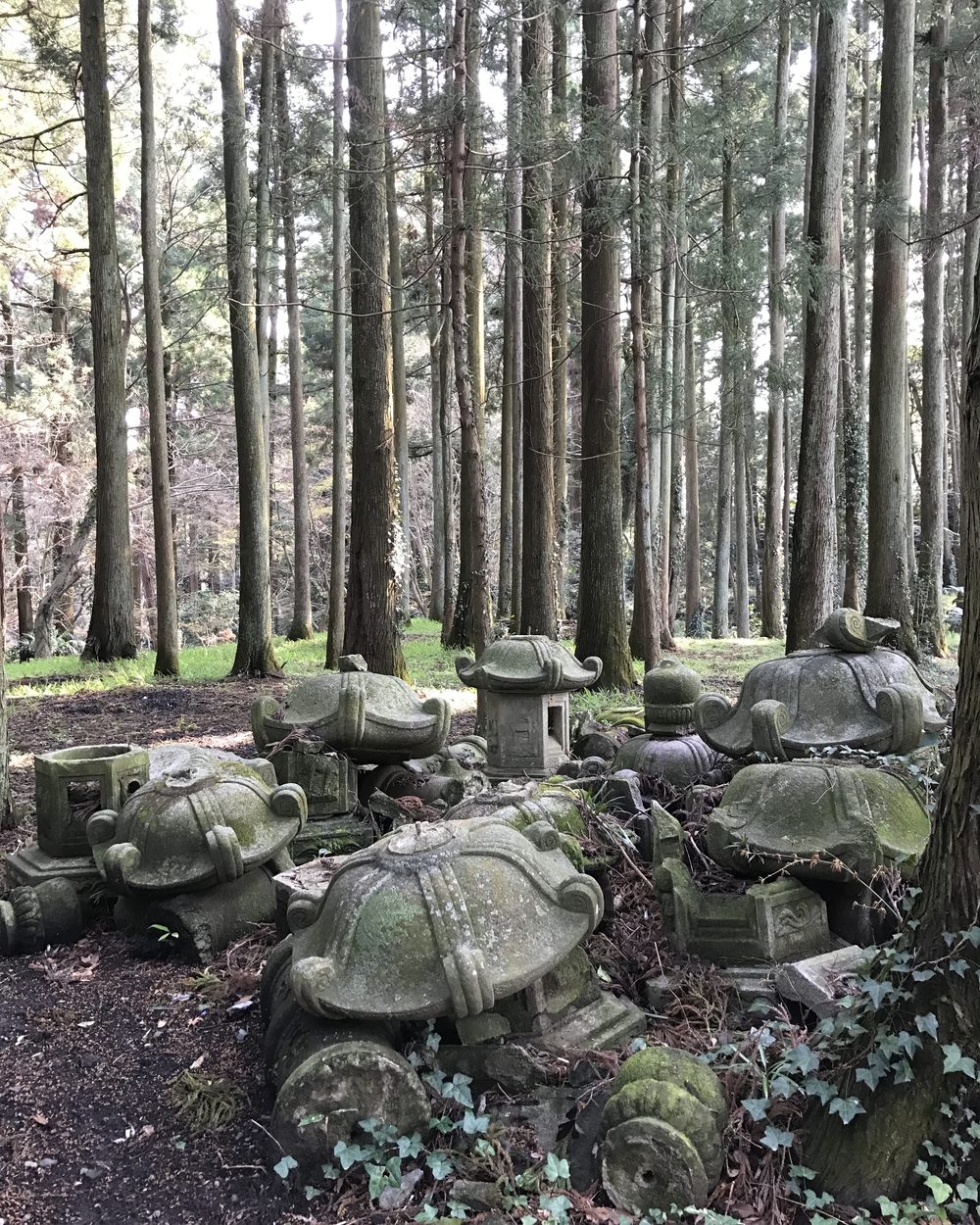
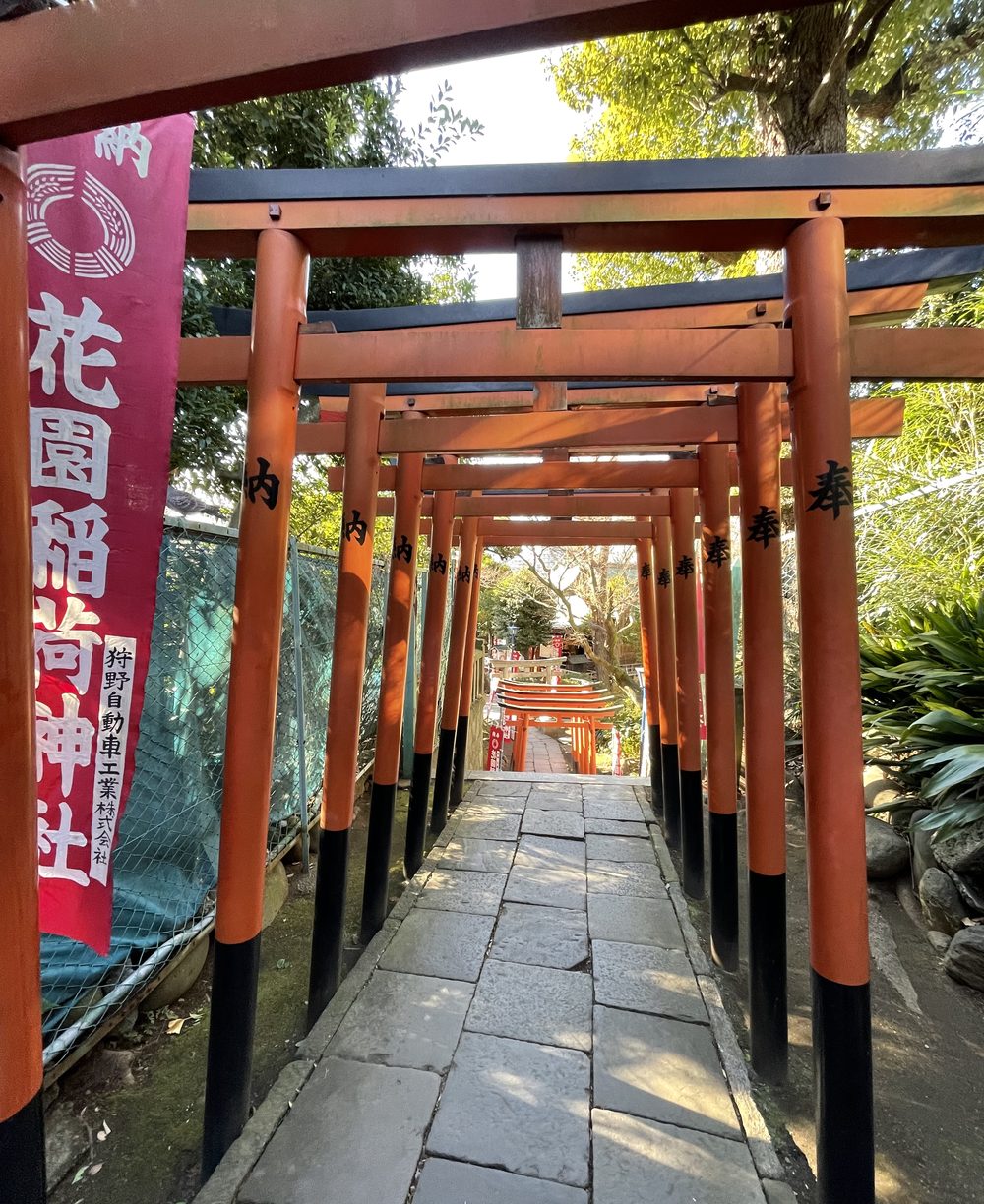
Photos: Mitsuru Otaka, our founder.
Get started
Tell us about your family (or the item you want read). We reply by email within a week, and you pay only after we confirm we can do the work (for Village Finder, only if we find the village). (A Family Chronicle comes after a Roots Report.)