Stories
Short reads about Japanese family history: what old koseki can tell you, the times your ancestors lived in, and the villages Nikkei families came from. New stories also appear on our Facebook page.
-
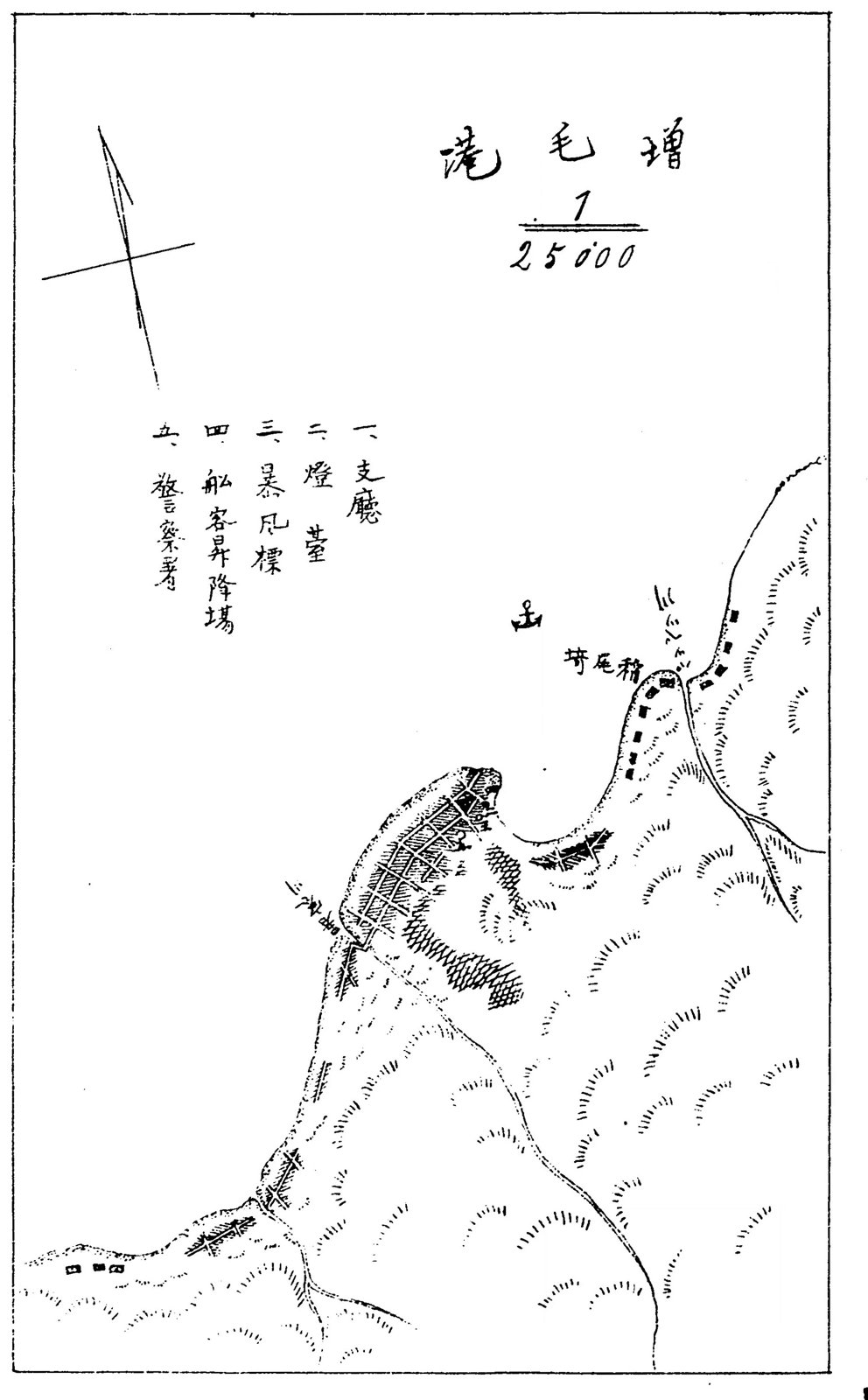
Two lines in my great-grandfather's koseki: Akita to Hokkaido and back, 1913
In 1913, Sakichi Otaka moved his family's koseki from Akita to Mashike, a herring port in Hokkaido, and moved it back eight months later. Read next to the weather and fishing records of that year, two lines tell a family story.
-
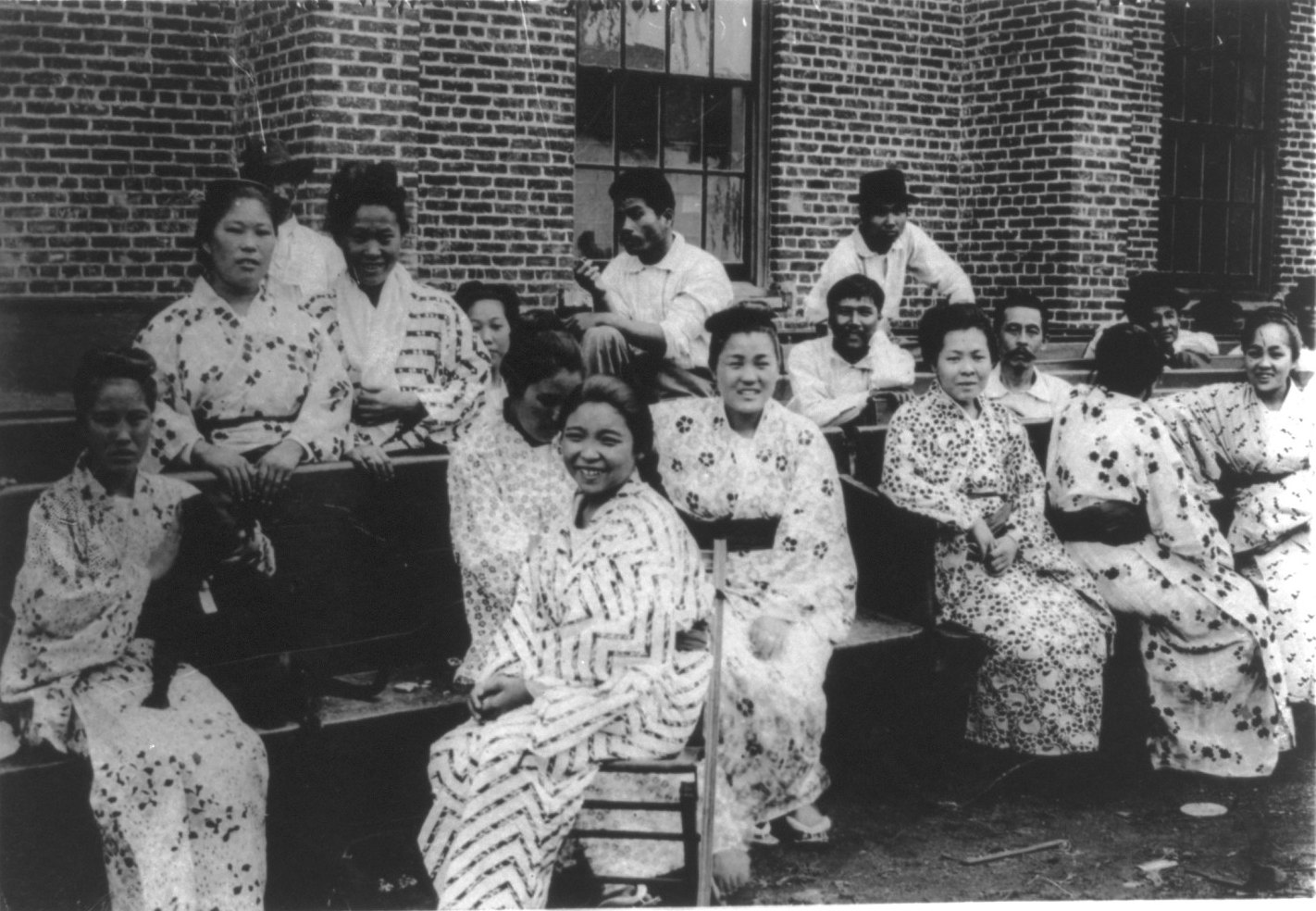
Looking for your great-grandmother's village? Start with her husband's koseki
Picture brides were registered as married in Japan before they sailed, so their travel and arrival records often give the husband's village. Her own home village is written in his family's koseki.
-
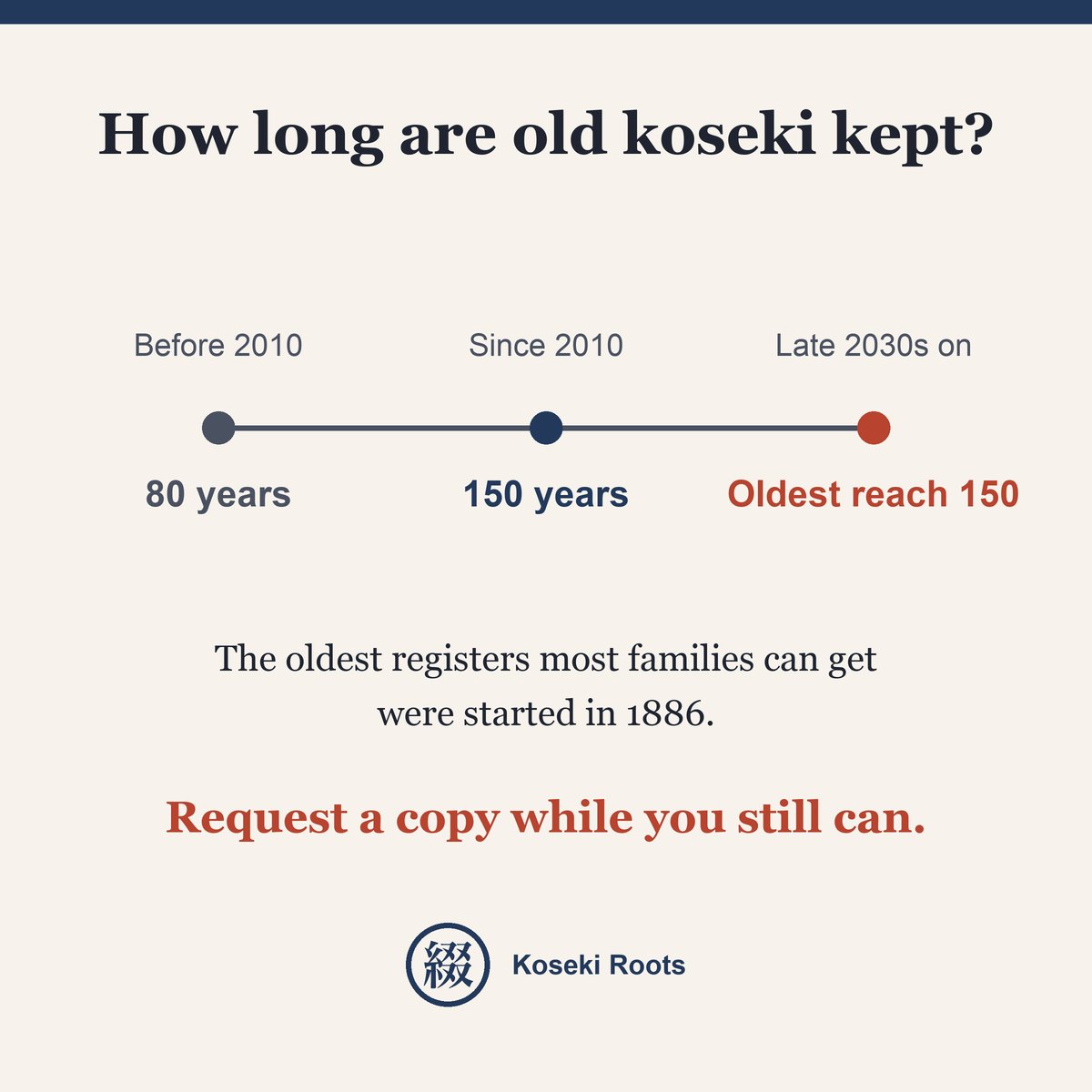
Why you may not be able to get an old koseki forever
Japanese towns must keep a closed family register for 150 years. Registers closed in the 1880s and 1890s reach that point in the late 2030s and the 2040s.
-
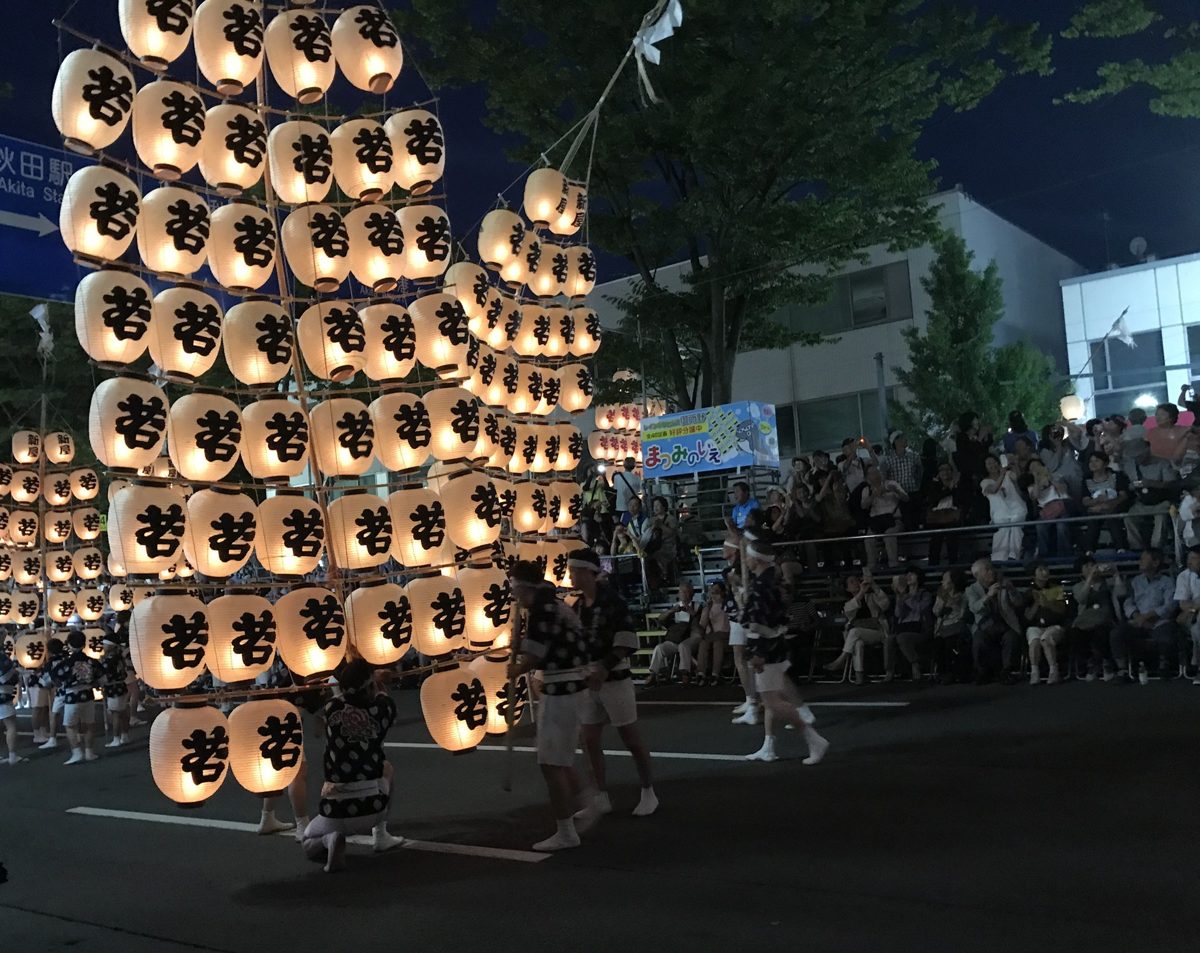
The Akita Kantō Festival: lanterns like ears of rice
Every August, performers in Akita balance long bamboo poles hung with paper lanterns, a prayer for a good rice harvest. Your ancestors' hometown may have its own festival too.
Find the village your family came from
No koseki needed to start. Send us your Issei ancestor's name and roughly when and where they arrived. Our Village Finder searches the records for the one that names the home village. You pay only if we find it.