Two lines in my great-grandfather's koseki: Akita to Hokkaido and back, 1913
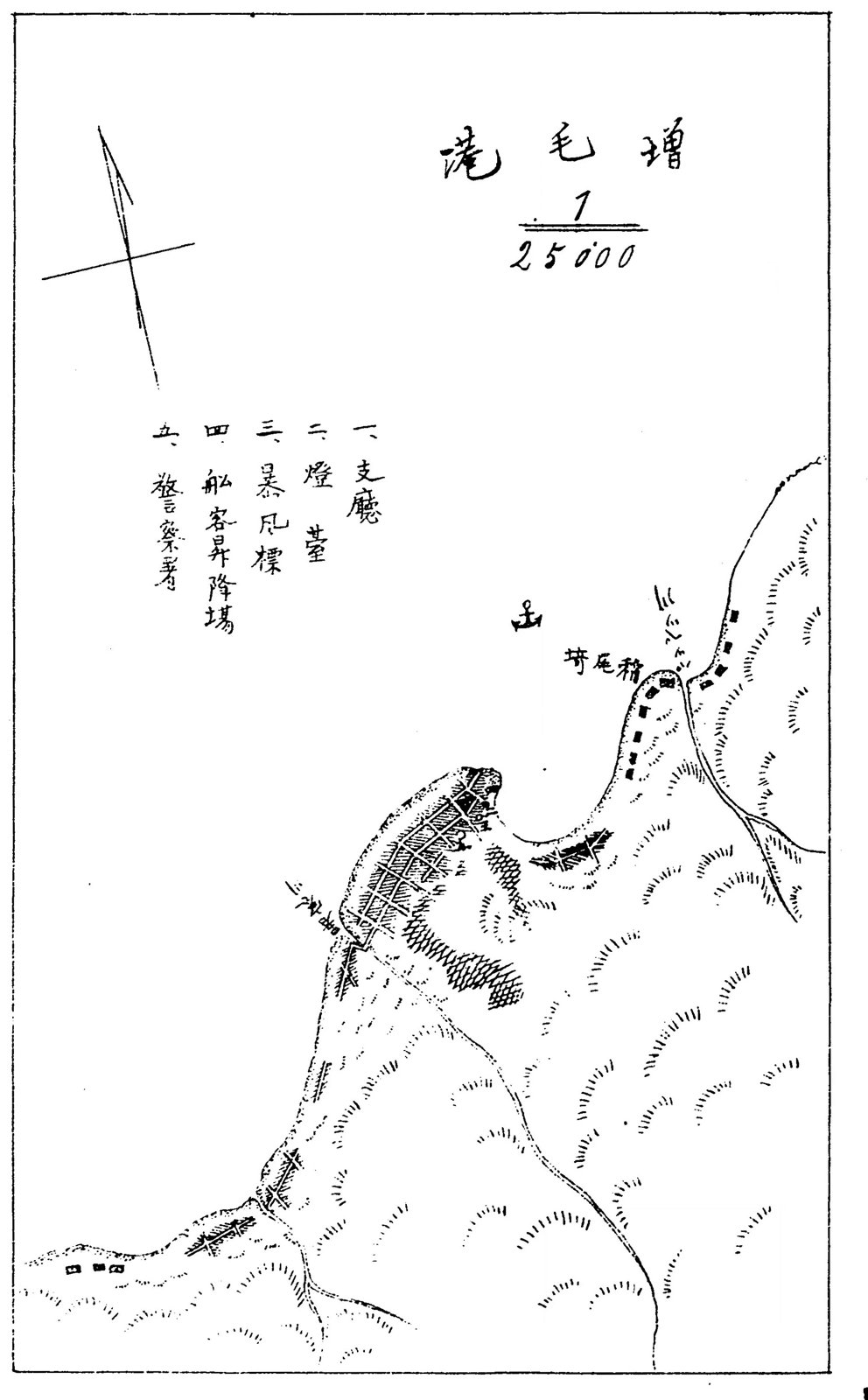
In 1913, my great-grandfather Sakichi Otaka took his children from Akita to a herring port in Hokkaido. Eight months later, he brought them back.
Two lines in a koseki
His koseki records it in two lines. On April 17, 1913, he moved the family's koseki to Mashike, on the Sea of Japan coast of Hokkaido. That December, he moved it back to his village.
He probably walked about 20 km (12 miles) to the nearest port and sailed north from there.
Not just a fishing season
Every spring, thousands of people from his area went north to fish for herring and came home after the season. Sakichi, a widower of about 50, did something different: he moved the koseki too. It looks as if he meant to stay.
The year 1913
Weather records from the nearest stations show that the summer of 1913 was one of the coldest in 30 years, in Hokkaido and in Akita. Crops failed across northern Japan. The herring catch at Mashike was about average.
Why did he come back? The koseki does not say. But read next to the records of its year, those two lines show a father who tried to start over, and then came home.
Find the village your family came from
No koseki needed to start. Send us your Issei ancestor's name and roughly when and where they arrived. Our Village Finder searches the records for the one that names the home village. You pay only if we find it.
Sources
- Hakodate Customs, 北海道奥羽港湾之状況 (Ports of Hokkaido and Ōu), 1905. National Diet Library Digital Collections
- Japan Meteorological Agency, historical weather data for Sapporo and Akita (in Japanese)
- Town of Mashike, history of fishing, with yearly herring catches (in Japanese)