From kenjinkai to your ancestral village
For many Nikkei families, the trail back to Japan starts with a single word: a prefecture. "We're Hiroshima." "Grandma's side is Okinawa." "Dad always said Kumamoto." That word often survives because of the kenjinkai, the prefectural associations that Issei built wherever they settled.
This guide explains what kenjinkai are and how they can help with family research. It also shows how to get from a prefecture to the village where your family's koseki is kept.
1. What kenjinkai are
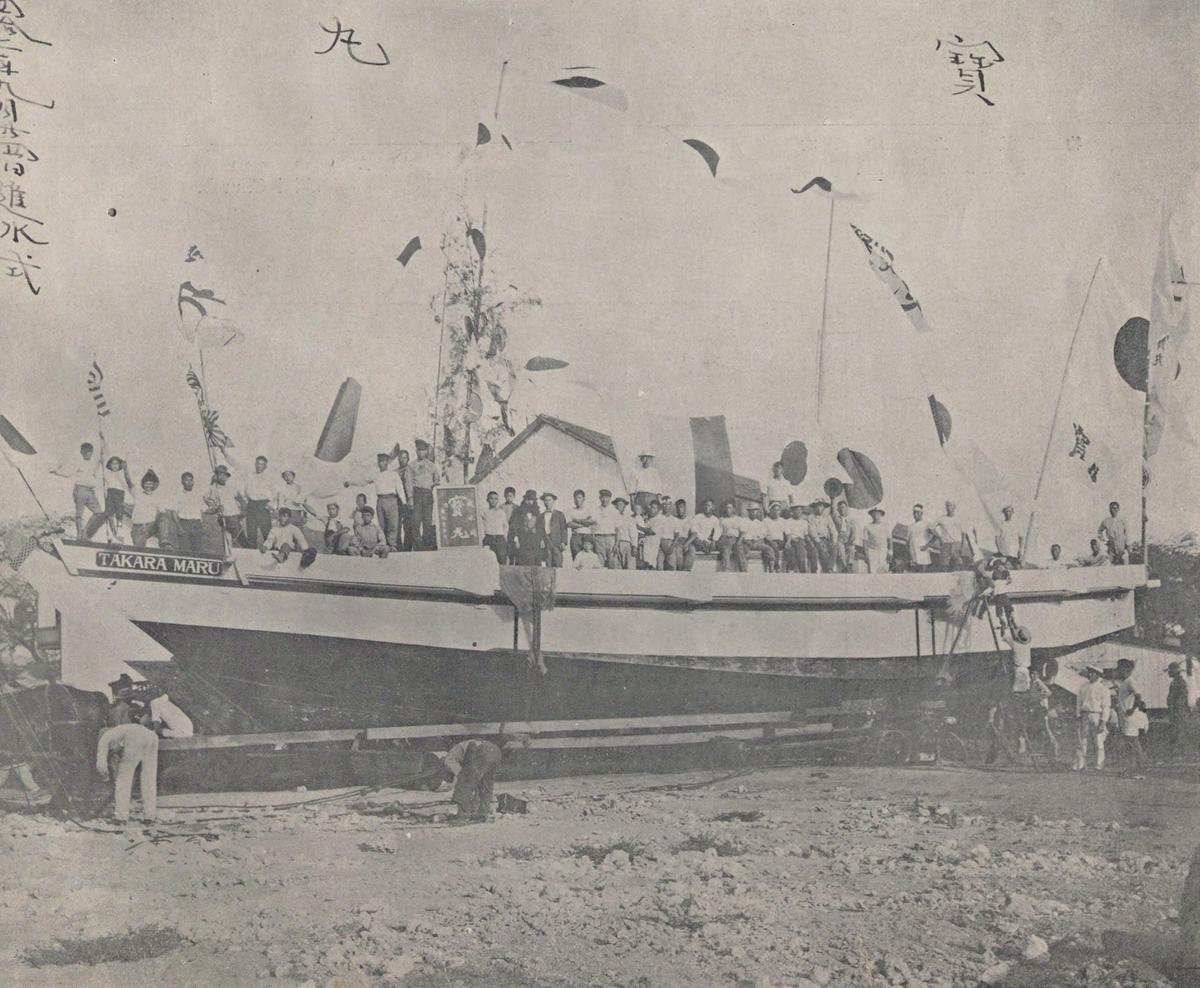
A kenjinkai (県人会) is an association of people from the same prefecture (ken). Overseas, they became one of the backbones of Issei community life. Emigrants who had left the same prefecture, and often the same district or village, gathered for mutual help, news from home, picnics and memorial services.
Kenjinkai were founded in many places where Issei settled, from Hawaii and the US mainland to South America. Brazil, home to the largest Nikkei population outside Japan, is a notable case. According to a 2020 Discover Nikkei article by Alberto J. Matsumoto, Brazil is the only country with prefectural associations representing all 47 prefectures. A federation, known as Kenren, brings these Brazilian associations together and has organized the Japan Festival since 1998.
Their role has changed over time. Discover Nikkei describes how, before the war, kenjinkai in South America were mainly a place for people from the same hometown to meet and share news. After the war, many received support from their home prefectures, and some used it for language study, agricultural training and youth exchanges with Japan. Today many are led by Nisei, Sansei and later generations, and focus on culture, food, festivals and keeping ties with the prefecture.
2. The generational gap
The Issei who founded kenjinkai knew exactly where they came from, down to the hamlet. Their grandchildren and great-grandchildren often don't. This isn't new.
At a 2009 Discover Nikkei program at the Japanese American National Museum in Los Angeles, "Kenjinkai: Past, Present, and Future," panelists discussed what these associations mean to younger generations. The four kenjinkai represented were Hiroken, the Kagoshima Heritage Club, Mie Kenjinkai and Yamaguchi Kenjinkai. In the question-and-answer session, moderator Lane Ryo Hirabayashi and panelist Margaret Miyauchi-Leong talked about the difficulty Yonsei and Gosei often have in learning where their families originally came from.
If that describes you, you are in good company. In the same discussion, panelists also encouraged people to take part in kenjinkai regardless of their own family's origins, a reminder that these groups are generally open and welcoming.
3. How kenjinkai records can help
Kenjinkai produced many kinds of records over the decades. Not every association kept them, and many have been lost, but these are worth asking about:
| Record | What it can show |
|---|---|
| Anniversary books and yearbooks (記念誌, kinenshi) | Histories of the association, member lists, photos, and sometimes members' hometowns or villages within the prefecture |
| Membership lists and dues records | Names, and sometimes hometowns, of Issei and Nisei members |
| Memorial service and funeral records | Names of deceased members, sometimes with kanji and place of origin |
| Photographs | Group photos with names written on the back, sometimes in Japanese |
| Newsletters | Notices of deaths, visits from relatives in Japan, and members' news |
| Members' memories | Older members may remember your family, or know who came from the same village |
Some anniversary books and community publications have ended up in libraries, museums and archives. For Japanese Americans, the Japanese American National Museum and Densho are good places to search. In Brazil, the Museu Histórico da Imigração Japonesa no Brasil in São Paulo has worked with volunteers to digitize emigration ship passenger lists, and researchers can ask about its holdings.
Even when a kenjinkai has no written records, its connections can matter. Many have ties to the prefectural government and to organizations in the prefecture, and members who have visited their family villages often know how to start.
4. Reaching out
A few suggestions when you contact a kenjinkai:
- Find the right one. Search for the prefecture name plus "kenjinkai" and your city or region (for example, the prefecture plus "kenjinkai Los Angeles", "Hawaii", "Vancouver" or "São Paulo"). In Brazil, associations often use names like "Associação" plus the prefecture.
- Be specific and brief. Say who your ancestor was, roughly when they arrived, where they settled, and what you already know. Include the name in kanji if you have it.
- Ask about publications. Ask whether the association published anniversary books, and whether old copies or member lists still exist.
- Join, or attend an event. Picnics, New Year parties and memorial services are where older members are. Many people find their best leads in conversation.
- Be patient and respectful. Volunteers have limited time, and some records include personal information about living people.
5. From prefecture to village
A prefecture is a real starting point, but a koseki request needs more: the village (or town) and, ideally, the lot number, plus a name in kanji. Here is how families usually close the gap.
- Collect every clue in one place. Write down every place name you have seen, in any spelling, from every source: family stories, gravestones, letters, ship manifests, naturalization and wartime records, kenjinkai papers. Note where each came from.
- Search the records of the whole family. Siblings, cousins and in-laws often emigrated together or followed each other. Any one of their records may name the village.
- Look for the district. Many records give the district (郡, gun) along with the prefecture. A district narrows the search to a small group of old villages.
- Use the surname. If you have the kanji, find where in the prefecture the name is concentrated. That gives you candidate areas to compare with your other clues. Our guide Where does your Japanese surname come from? explains how to use this carefully.
- Match the romanized name. Compare any romanized place name from your records with the list of villages in that district, allowing for clerks' spelling.
- Find today's municipality. Japan merged its municipalities in large waves, in 1888–1889, in the 1950s, and from 1999 into 2010. Most old villages are now part of a larger city or town, and that office keeps the registers.
- Request the koseki. Once you have the village and the kanji name, you can write to the city office. The register shows the place and usually names one or two earlier generations, back to the 1870s–80s.
Steps 1 to 6 are covered in detail in How to find your ancestor's honseki, and step 7 in How to get your ancestor's koseki from outside Japan.
One last thought: when you do find the village, tell your kenjinkai. Your research may help another family from the same place, which is very much in the spirit in which these associations were founded.
Know your prefecture? That's enough to begin.
No koseki needed to start — a Roots Snapshot ($29) needs only your family name and your ancestor's town or village, or just the prefecture. It shows where your surname is concentrated in that prefecture and what that may suggest about your family's home area. For common surnames, the prefecture alone may not narrow it down to one town.
A Roots Report ($390) goes further: it uses all your clues to identify likely villages and the city office that holds the registers today, and includes a koseki request guide written for your family.
Related guides
- Glossary of Japanese family-history terms
- How to get your ancestor's koseki from outside Japan
- How to find your ancestor's honseki (registered domicile)
- Where does your Japanese surname come from?
Sources
- Alberto J. Matsumoto, "The role of the second generation and beyond in the 'Kenjinkai' and building bridges into the future" (Discover Nikkei, 2020)
- Discover Nikkei: Japan Festival event listing (Kenren)
- Discover Nikkei: "Kenjinkai: Past, Present, and Future" (March 28, 2009, Japanese American National Museum)
- Discover Nikkei: Q&A, part 1, from the 2009 kenjinkai program
- The Digital Orientalist: The Historical Museum of Japanese Immigration in Brazil
- Municipal mergers and dissolutions in Japan (Wikipedia)